§1Why I run two channels
There are two Numberbender channels on YouTube, and they're built for different audiences.
The main channel — Numberbender, at youtube.com/@numberbender — has been running since 2013, when I started recording flipped-classroom lessons for my Barstow High School students. It's bilingual: most lessons are in English, with a parallel Filipino-language strand for educators and students in the Philippines and the diaspora. As of 2026 the channel has more than 330,000 subscribers and was awarded a YouTube Silver Play Button in 2023.
The second channel — NumberbenderEN, at youtube.com/c/numberbenderEN — is the one I built specifically for non-Filipino-speaking educators and students. It's English-exclusive. No Filipino content. Same teacher, same flipped-classroom approach, same kind of math, but a clean stream for international viewers who don't need the Filipino playlists in their feed.
Both channels carry equal weight on this site. If you're a teacher or a student outside the Filipino-speaking world, NumberbenderEN may be the cleaner subscribe. If you're navigating the bilingual catalog or want the full thirteen-year archive, the main channel is where everything lives.
The full archive. English math lessons, Filipino-language playlists, press features, the whole thirteen-year catalog in one feed.
Subscribe on YouTubeThe clean version of the catalog for educators and students worldwide. Same flipped-classroom approach, same teacher, no Filipino content in your feed.
Subscribe on YouTube§2The numbers and the arc
The main channel was launched in 2013 to host flipped-classroom lessons for one specific high-school math program — mine, at Barstow High in California. It crossed a hundred thousand subscribers in 2019, when the Metro.Style profile came out. By 2023 it crossed three hundred thousand and earned the Silver Play Button. As of this writing the count is over 330,000 — a number I cite less for vanity and more because it tells you the catalog is being used by far more people than my original four classrooms full of high schoolers.
launched
by 2019
+ Silver Play Button 2023
The Filipino-language strand started for a specific reason. As I told Metro.Style in 2019: I couldn't find any math tutorials in Filipino online. While I was here teaching foreign kids — meaning my American students — I wanted to make sure I also gave back to the country through teaching the kids back home. The Filipino-language playlists are a parallel set of the same lessons, recorded in Filipino, for students in the Philippines who deserve the same flipped-classroom resources my Barstow students get. The 2021 Manila Bulletin Knowledge Channel feature came partly out of that work; the Distance Learning spoke goes deeper on it.
The English-exclusive NumberbenderEN channel exists because the bilingual main channel surfaces Filipino-language thumbnails to viewers who don't speak Filipino, which dilutes the experience for non-Filipino subscribers. NumberbenderEN is the clean version of the same catalog, built for a global audience.
§3Start Here — the ten videos to watch first
If this is your first visit, here are the ten videos I'd hand you, in three thematic clusters. Three of them are the same embeds you'll find on the pillar guide — they earn their spot here too, because this is the videos page.
How the flipped model works
Three videos that show what flipping is, why I started doing it, and what students get out of it.

How To Make a Video Tutorial in YouTube · Numberbender · the original production walkthrough

How I Flipped My Classroom in Barstow High School · Numberbender · the model in retrospect, in my own words

Benefits of a Flipped Classroom — AP Calculus Students Share Their Experience · Numberbender · what students get out of the model, in their own words
What students experience inside it
Three videos that put the model from the student side. These are the ones I'd play for a faculty meeting where the question is not "does it work for the teacher" but "does it work for the kid."

Flipped Classroom from a Student's Point of View · Numberbender · what it feels like to be a student in this kind of classroom

Desi Santos as Content Creator in a Flipped Classroom Model · Numberbender · one of my students stepping into the role of content creator
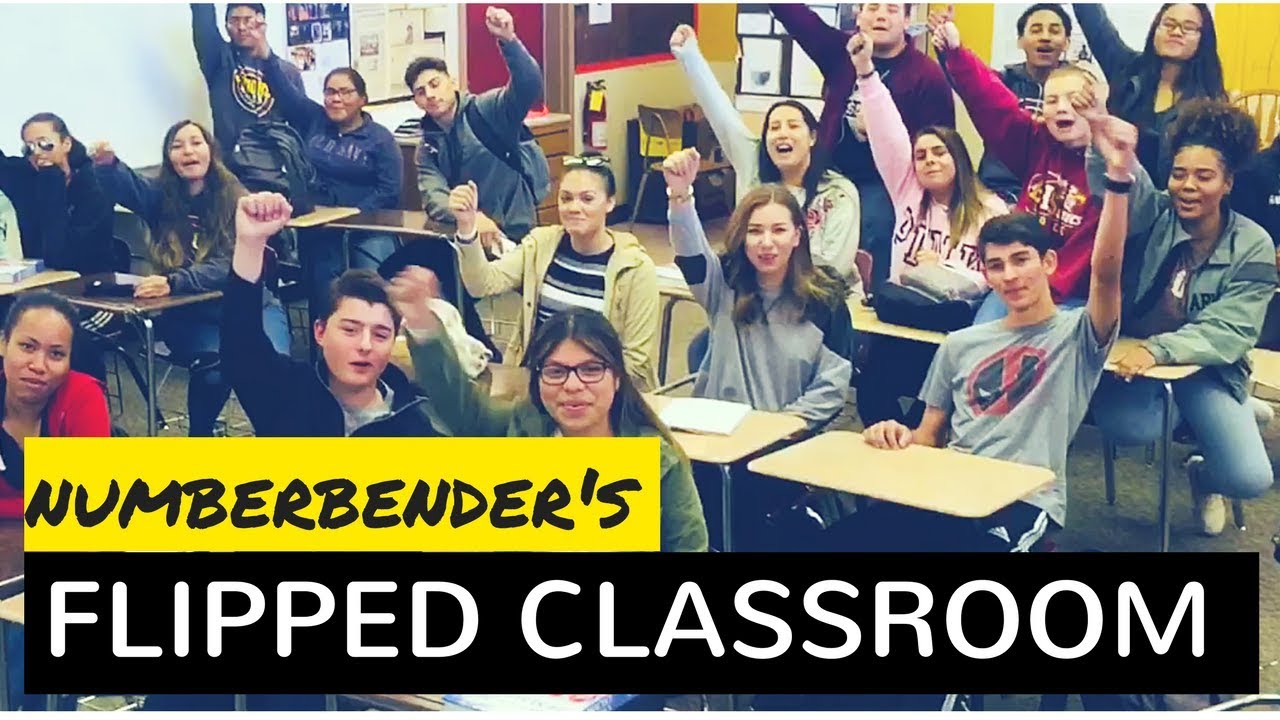
What Students Say About Being in a Flipped Classroom · Numberbender · students at Barstow High describing the model unprompted
The production and remote-teaching workflow behind the videos
Four videos about the actual production rig — editing, equipment, and the remote-teaching adjustments that came out of the COVID period.
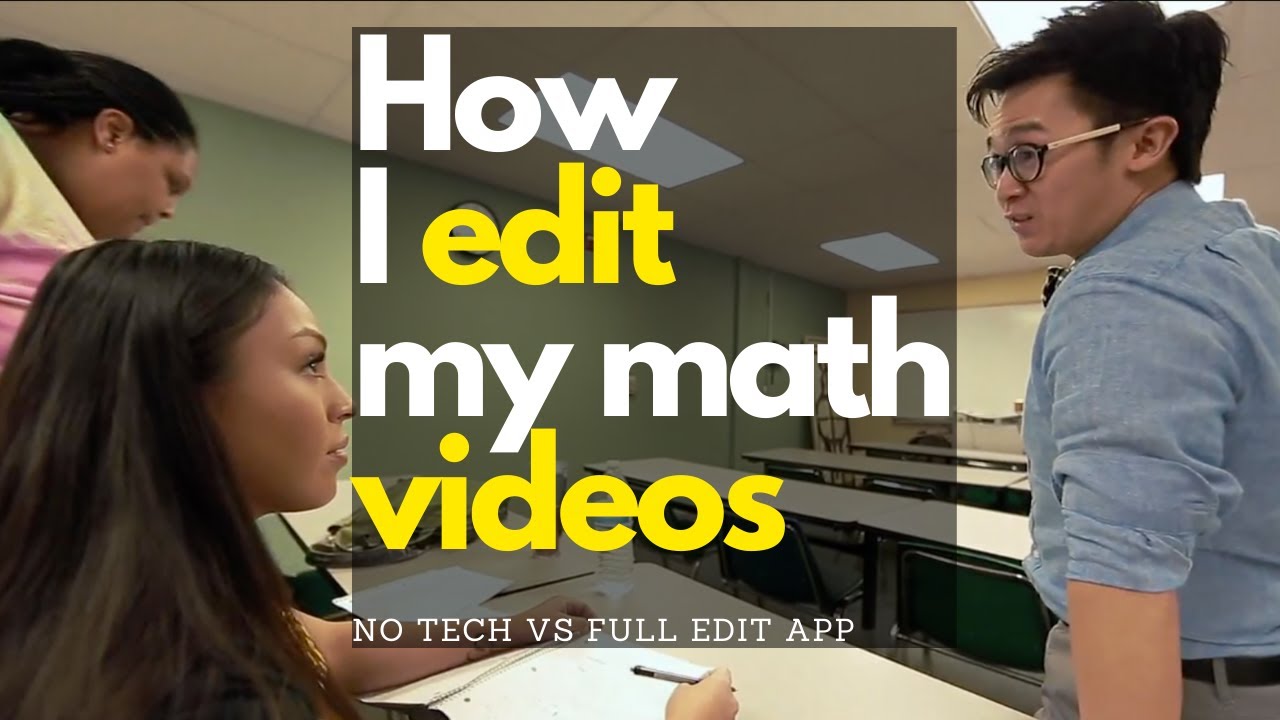
How to Edit Your Tutorial Videos · Numberbender · the editing pass that turns a raw whiteboard recording into a published lesson

How to Innovate in Remote Instruction or Online Learning Platform While on Distance Teaching · Numberbender · what changes when the in-person classroom isn't an option

How My Standing Desk Increased My Productivity and Creativity While Working Remotely · Numberbender · the small physical-setup change that made the long days work

How to Level Up Your Webcam for a High-Definition Zoom Meeting and Live Streaming · Numberbender · the webcam upgrade I'd recommend before any other piece of equipment
§4By course: where to find what you teach
If you're looking for a specific subject, here's where each course lives. Every playlist below is a direct link to the channel — courses you'd find on a community-college or high-school sequence, plus dedicated AP FRQ-review playlists for Calculus and Statistics, plus the bilingual catalog of every playlist on the main channel.
A note on Calculus 1: that's the longest single course on the channel. Topics, in my own words from the YouTube listing: review of algebra and trigonometric concepts, finding limits, derivatives and derivative techniques, integrals and integral techniques, and applications. If you're a community-college calculus student or a high-school AP Calc student looking for a comprehensive tour of the course, that playlist is the right starting point.
§5The Filipino-language work
The Filipino-language playlists started because, as I told Metro.Style in 2019, I couldn't find any math tutorials in Filipino online when I went looking. The lessons I'd already recorded in English were doing useful work in California; there was no reason the same lessons couldn't do the same useful work in the Philippines, in the language students actually use at home.
The Filipino playlists are a parallel set of the English ones. Same topic structure — Algebra, Trigonometry, Pre-Calculus, Calculus — recorded in Filipino, on the same main Numberbender channel. The 2021 Manila Bulletin Knowledge Channel feature was a moment where the Filipino-language work moved from a personal project to something the broader Philippine education system was using. The Distance Learning spoke covers that arc in detail.
A representative Filipino-language collaboration is the 2021 episode I did with Lyqa Maravilla — Paano Gumaling sa Calculus? — embedded below. It's a long-form conversation in Filipino about how to actually get good at calculus, structured around the flipped-classroom approach to studying.

Paano Gumaling sa Calculus? ft. @numberbender · Team Lyqa · Filipino-language collaboration, 2021
§6Press features and crossovers
A few of the videos on YouTube that feature me aren't lessons — they're press features, profile pieces, and crossover collaborations. Listed in chronological order, with one representative embed.
- 2015Flipped Classroom & "Number Bender" by Peter Esperanza (Part 3 of 4) — third-party feature about the Barstow High model.
- 2015Effectiveness & Success of Peter Esperanza's Flipped Classroom Model (Part 4 of 4) — colleagues and students attesting to the model. Embedded below.
- 2018Meet the Filipino Math Genius and Distinguished Teacher of the Year Behind Numberbender Videos — bio profile.
- 2020empowerED Best of: Unlocking Teacher Action with Dr. Bert J. Tuga and Dr. Peter Esperanza — recorded conversation about teaching practice.
- 2021How to Adjust Recipes Using Ratio and Proportion with Numberbender (Mortar and Pastry) — math-in-real-life crossover.

Effectiveness & Success of Peter Esperanza's Flipped Classroom Model (Part 4 of 4) · the press feature most useful for showing colleagues what the model looks like from the outside
§7FAQ
What's the difference between numberbender and NumberbenderEN?
numberbender (the main channel, youtube.com/@numberbender) is bilingual — both English and Filipino lessons in the same feed. It's where the full thirteen-year archive lives, including all the Filipino-language playlists.
NumberbenderEN (youtube.com/c/numberbenderEN) is the English-exclusive version, built for non-Filipino-speaking educators and students worldwide. Same teacher, same approach, no Filipino content. If you only want the English lessons in your feed, subscribe to NumberbenderEN. If you want everything, subscribe to numberbender.
How do I find a video on a specific topic?
The fastest path is the playlist for the course in section four above. If you need a single concept and you're not sure which course it lives in, the YouTube channel search bar on the channel's About page surfaces results across both English and Filipino lessons.
For the AP Calculus FRQ topics specifically, the AP Calc FRQ Reviewer book series on Apple Books is organized by FRQ topic area, with embedded video.
Can I use these videos in my classroom or course?
Yes. The videos on both channels are publicly listed and free to embed, link to, or play in a class. If you're using them as primary instructional material in a paid course, an email through the contact page is appreciated as a courtesy — not a requirement. The free Apple Book The Power of the Flipped Classroom has a longer treatment of how to use the videos as a flipped-classroom backbone.
Why are the videos five to ten minutes long?
Because long math videos are an attendance problem. The full reasoning is in the pillar guide §4 — short version: a six-minute video on a single concept gets watched all the way through; a twelve-minute video on the same concept gets watched for four minutes and closed. The rule I use now is one concept per video.